Little Lake Mobile Home Park Gets to Work!
Mobile Home Parks can be uniquely vulnerable to wildfire. Although mobile homes constitute about 3.6% of California’s housing stock, according to an analysis by Harrison Raine, they make up about 22% of homes lost to wildfire. 46% of Mobile Home Parks (MHPs) are located in high to extreme fire severity zones, and 47% of residents qualify as very low-income households. Additionally, higher density increases the chances that, should one home ignite, the resulting radiant heat will result in the loss of many neighboring homes.
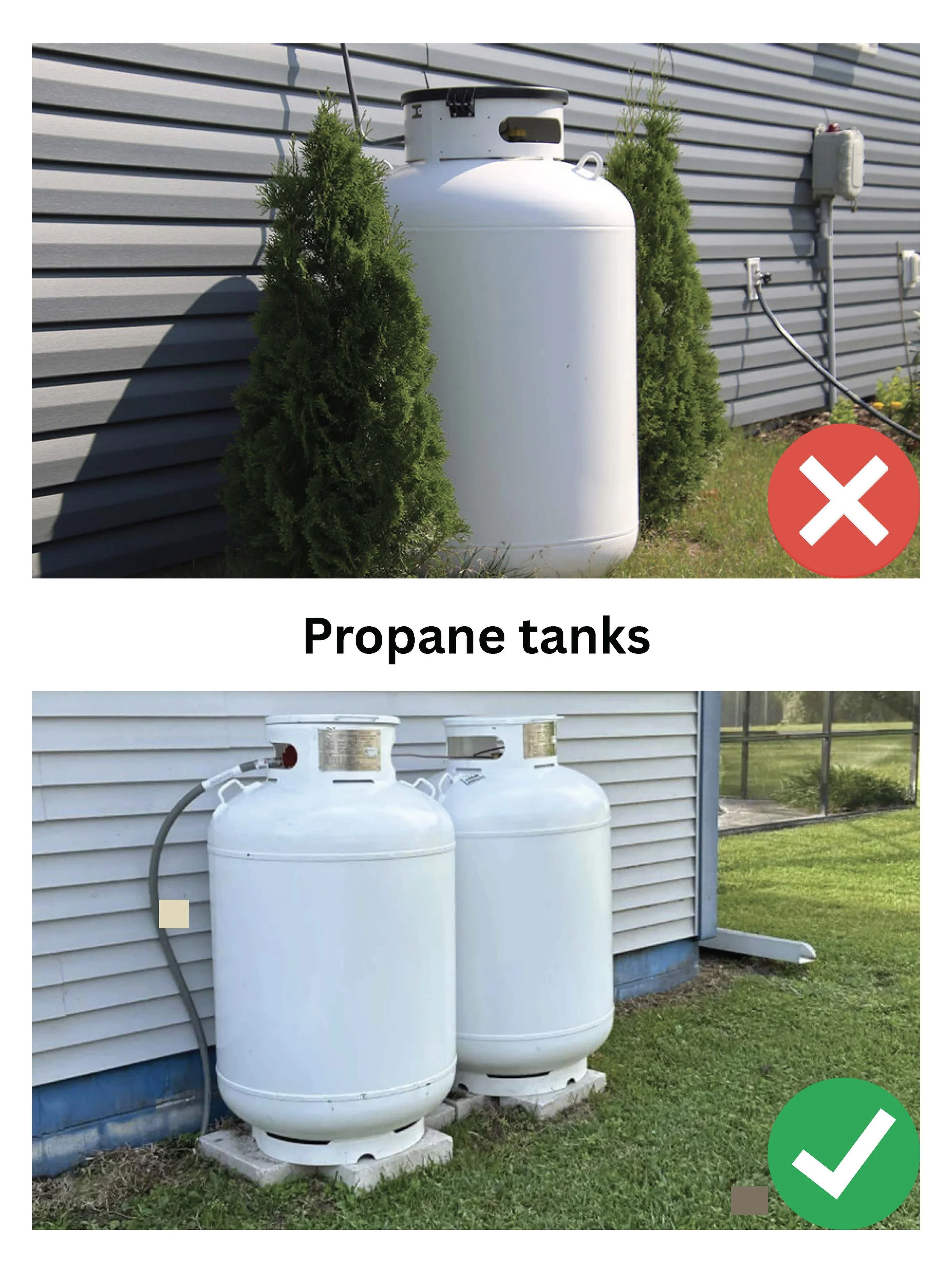
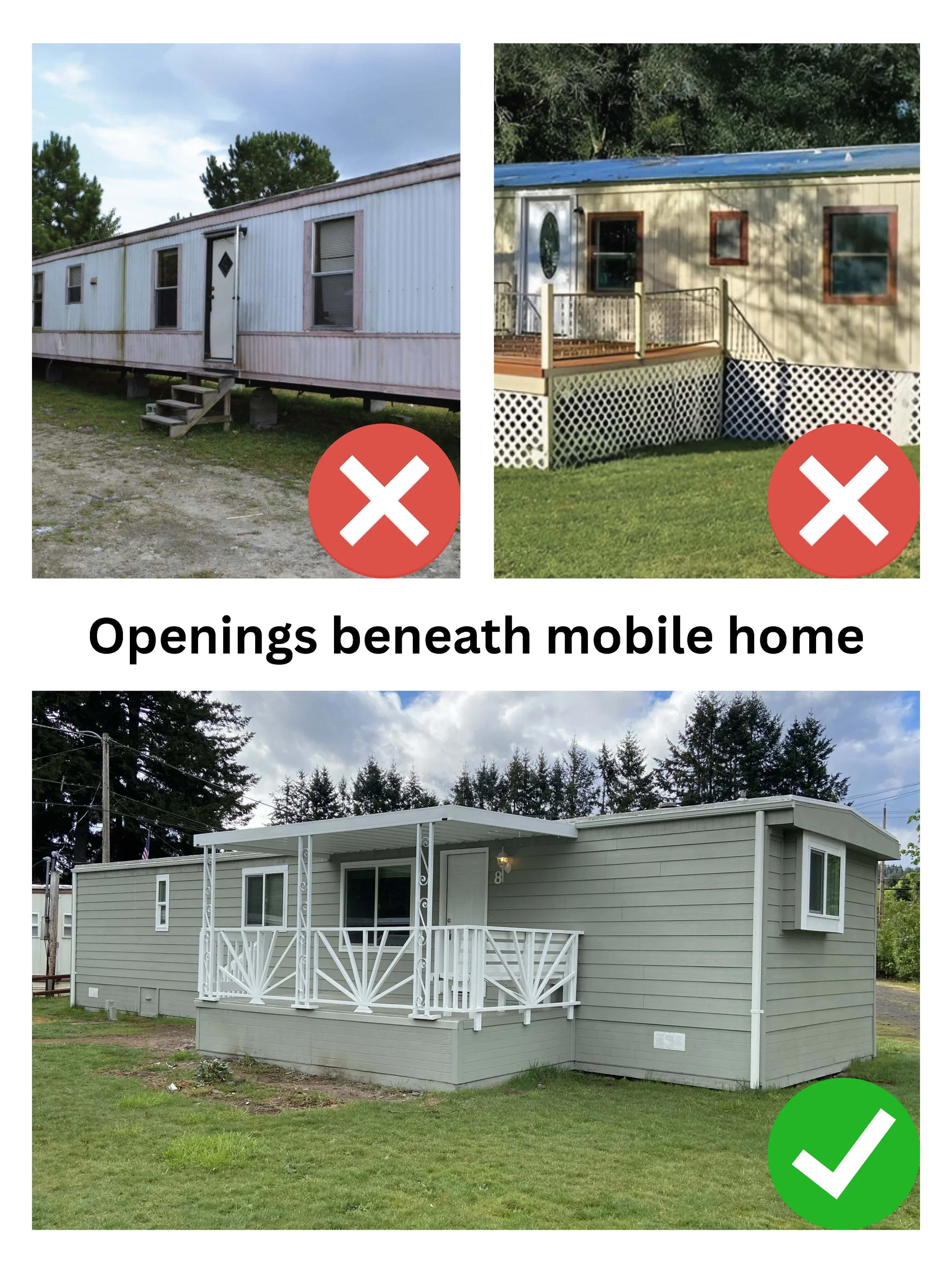
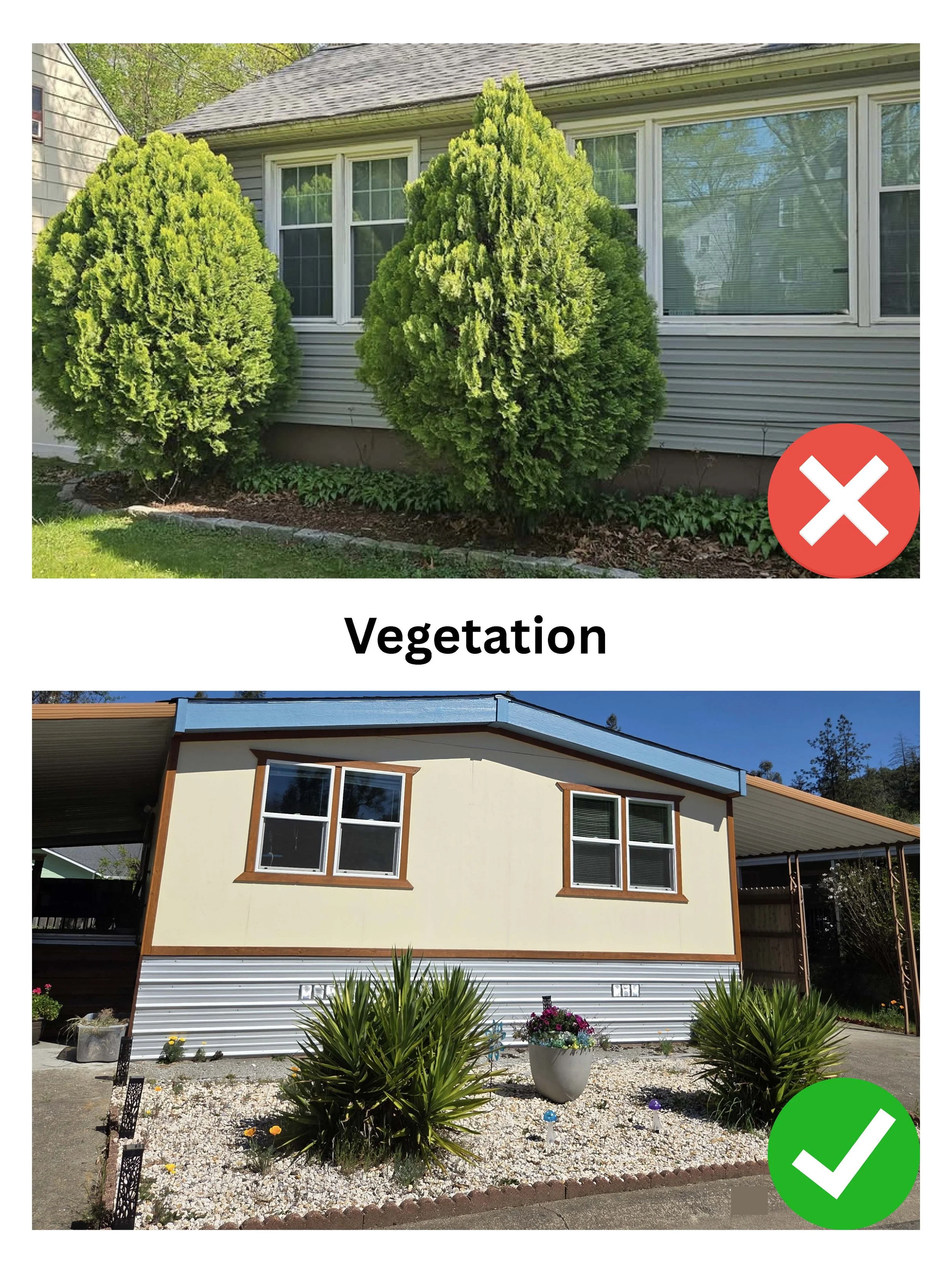
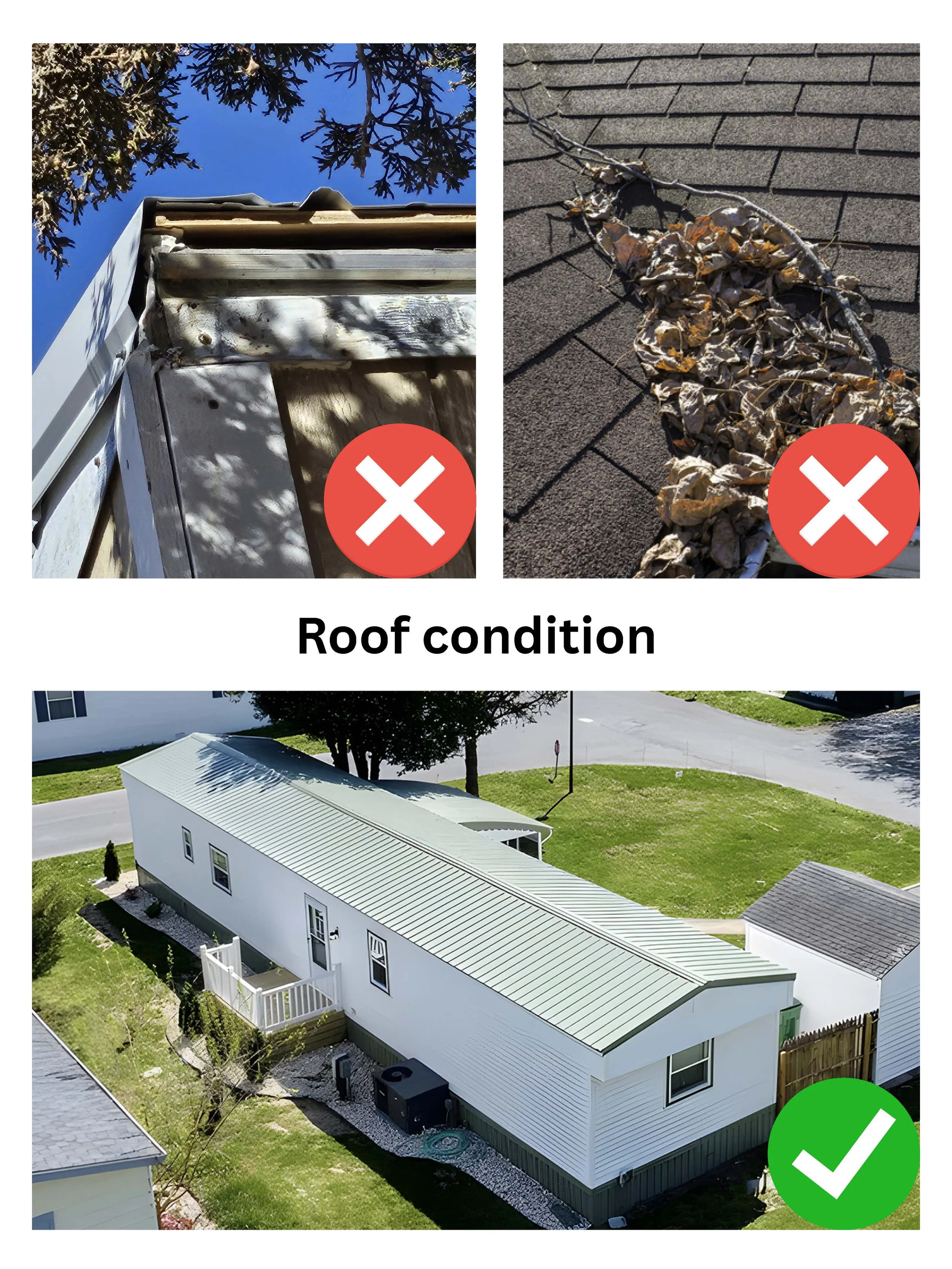
Although they are uniquely vulnerable to wildfire, few, if any, resources have been designed specifically to help people who own or live in denser housing types such as MHPs. Nearly all existing assistance and guidance for increasing wildfire resilience is designed for lower-density, single unit homes where the resident 1) has autonomy to alter home and landscape features and 2) has the ability to manage vegetation and other flammable material working in Zones from the home out to 100’ or more.
To address this gap, the Mendocino County Fire Safe Council (MCFSC) has been working to build relationships with mobile home park owners and residents and expand wildfire preparedness resources directly to these communities. As an initial pilot project, MCFSC partnered with Little Lake Mobile Home Park, located just north of Willits. The park consists of 18 units and is bordered by dense brush and forested areas on the north, west, and south sides.
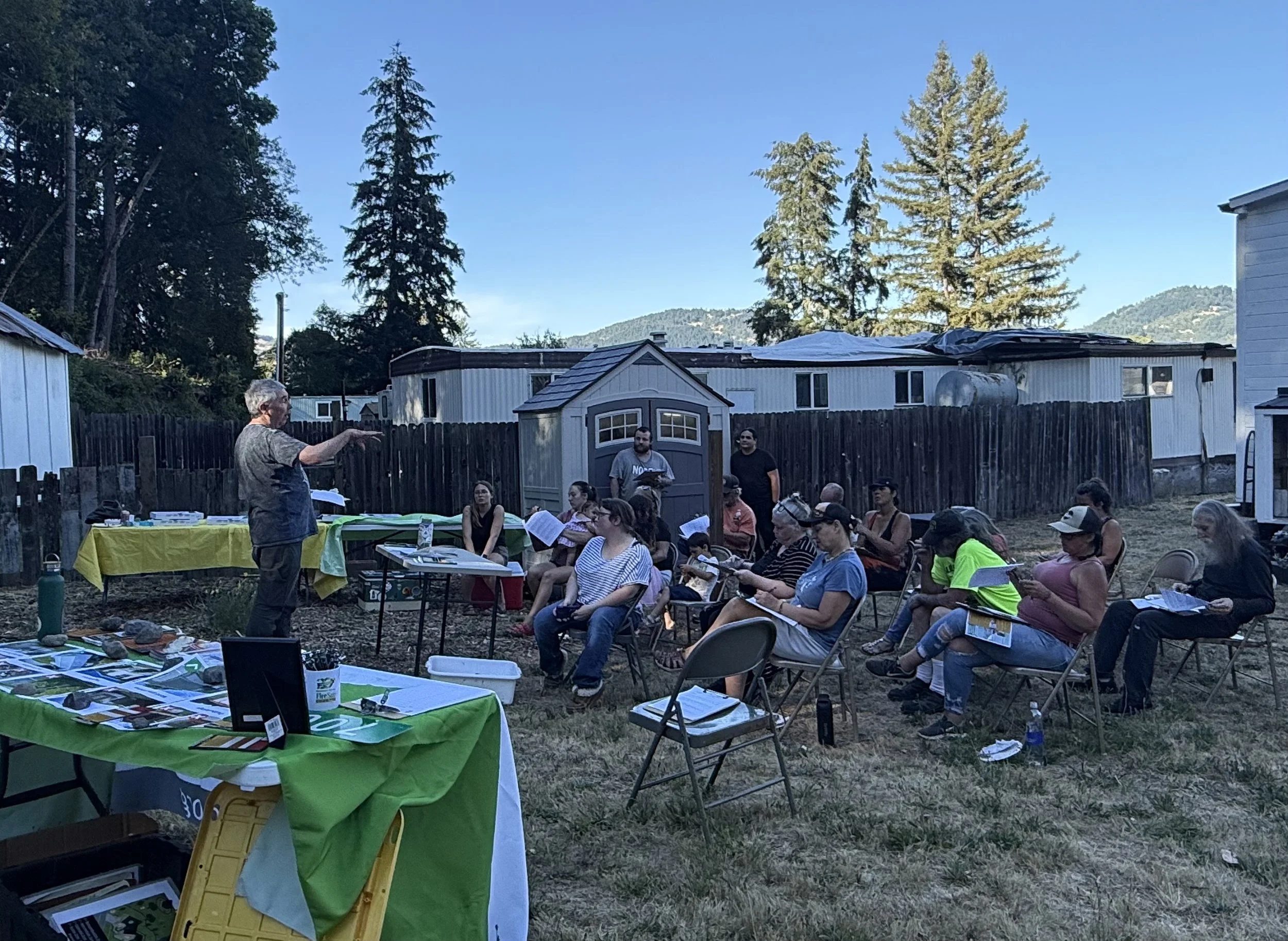
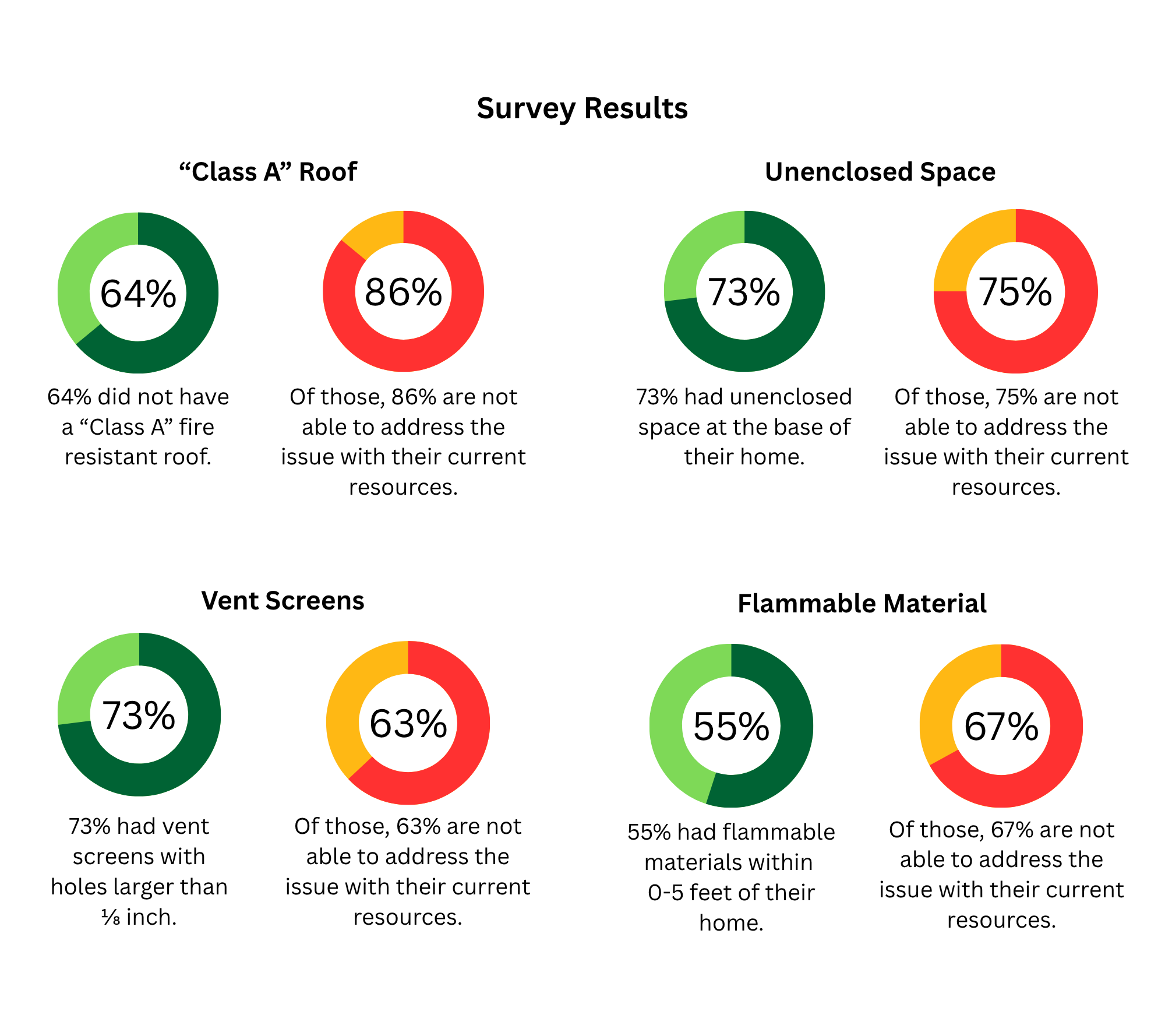
To better understand community needs and gather resident input, MCFSC hosted a community meeting that brought together park residents, the park owner, and MCFSC staff. During the event, residents participated in an educational presentation focused on wildfire preparedness and home hardening. Attendees also completed a survey designed to assess their existing knowledge of home hardening practices, as well as to identify barriers that may prevent them from making wildfire resilience improvements to their homes. This data will continue to be built on as additional mobile home parks become apart of the project. The meeting was paired with pizza, refreshments, and an opportunity for neighbors to connect with one another and strengthen community relationships.
Following the meeting, residents were invited to participate in a community work party alongside MCFSC’s fuels reduction crew, where they weed-whacked around homes, removed blackberry thickets, limbed lower tree branches, and created chip piles from vegetation cleared from the densely forested areas surrounding the park.
The next step will be guiding the Little Lake Mobile Home Park through the process of becoming a Firewise Community. Once recognized In Good Standing, they will be eligible for some grant funding to complete community projects that were identified through their 3-Year Action Plan, including purchasing reflective address signs for their units and possibly hosting an evacuation go-bag meeting.
Thank you to the Little Lake Mobile Home Park for all the great work you are already doing to make your community and neighbors safer!
MCFSC's Community Work Parties are funded by the California State Coastal Conservancy.
MCFSC is also pleased to announce that it has recently received funding from a grant awarded by the California Department of Conservation through the North Coast Resource Partnership. This funding will help to continue this work.